Information
TRAVEL INFORMATION: NEPAL
CLIMATE OVERVIEW
Nepal’s diverse topography creates a wide range of climates—from tropical in the lowlands to alpine and arctic conditions in the Himalayas.
- Terai Region (up to 305m): Hot and humid; temperatures in summer can exceed 40°C (104°F).
- Mid-Hill Region: Mild temperatures most of the year; winters are cooler, especially at night.
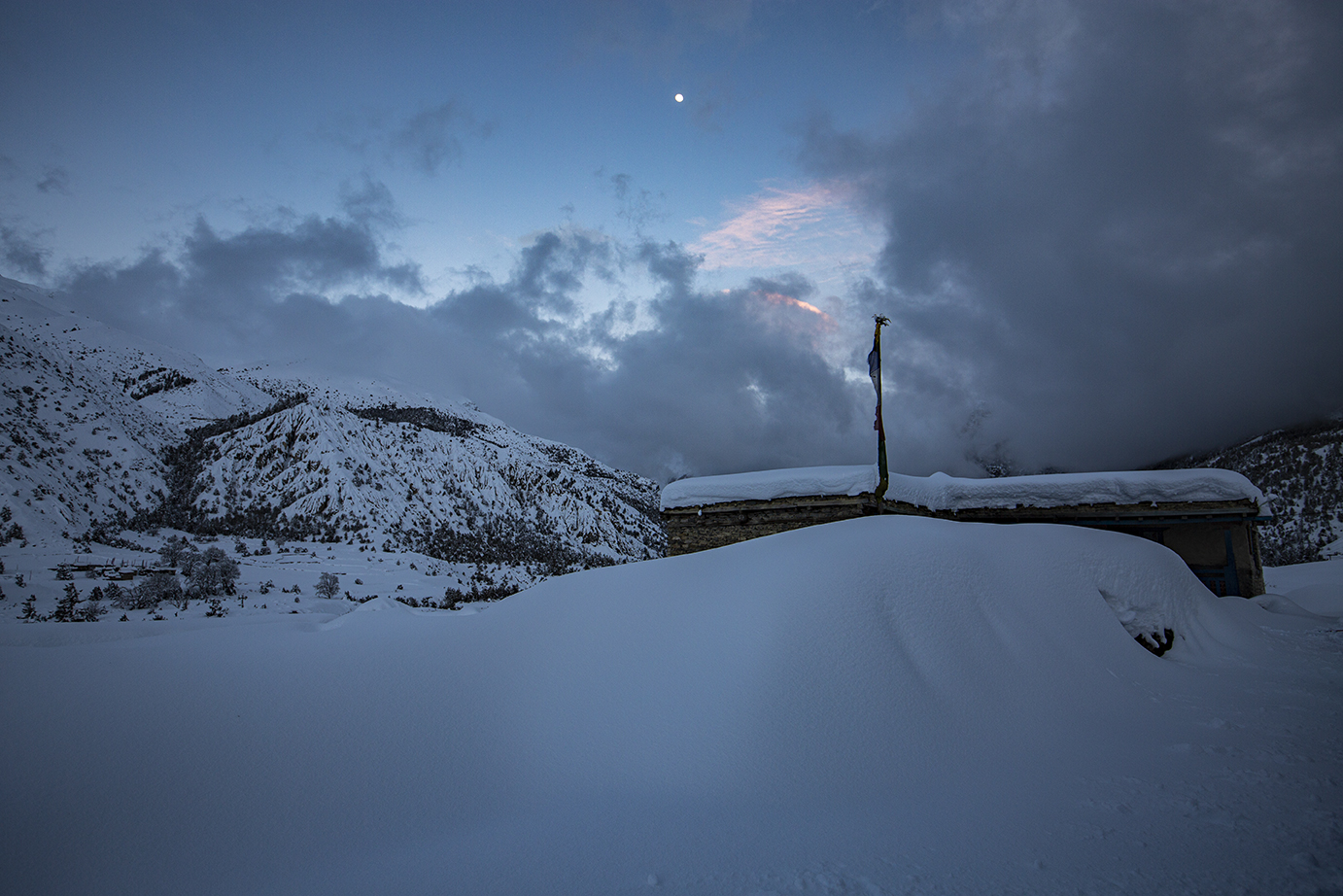
- Mountain Region (above 3,300m): Alpine climate with cold winters and snow.
SEASONS IN NEPAL
Spring (March to May)
Mild temperatures in the lowlands and moderate in the hills. Ideal time for trekking and seeing blooming flowers.
Summer / Monsoon (June to August)
Hot and rainy. Rain usually falls in the evenings or at night, clearing the sky for dramatic morning views. Lush greenery everywhere. Some regions like Mustang and Dolpa lie in the rain-shadow and are drier.
Autumn (September to November)
Clear skies, pleasant weather, and excellent mountain views. Peak trekking season. Major Hindu festivals like Dashain and Tihar occur during this time.
Winter (December to February)
Cool and dry. Snowfall in higher elevations; sunny and warm during the day at lower altitudes. Good for low-altitude treks.
TEMPERATURE & RAINFALL
Kathmandu Averages:
- Spring: 16–23°C (61–73°F)
- Summer: 23–25°C (73–77°F)
- Autumn: 15–24°C (59–75°F)
- Winter: 9–12°C (48–54°F)
Rainfall:
Monsoon rains (June to August) average 200–375mm/month in Kathmandu. Annual rainfall is approx. 1300mm. Some Himalayan regions receive very little due to the rain-shadow effect.
Note for Trekkers:
In high-altitude areas above 4,000m, temperatures can drop below -10°C (14°F) in winter.
VISA INFORMATION
- Visa on arrival is available at all entry points for most nationalities.
- Requirements: Valid passport (6 months validity), passport photo, visa fee.
- Check Nepal Immigration for exceptions.
TREKKING & TRAVEL PERMITS
- No general entry permit needed for Nepal.
- Permits are required for national parks and conservation areas (e.g., Annapurna, Everest, Langtang).
- Common permits include:
- TIMS Card (Trekkers’ Information Management System)
- ACAP/MCAP (Annapurna/Manaslu Conservation Area Permits)
- National Park Permits
- Neighboring countries like Tibet and Bhutan require additional permits. Allow 2–3 weeks for processing. Himalayan Shangri-La Treks can assist.
HEALTH & VACCINATIONS
- Recommended: Hepatitis A & B, Typhoid, Tetanus, and Rabies (for long stays or rural visits).
- Malaria is rare but possible in lowland regions.
- High-altitude trekking requires awareness of AMS (Acute Mountain Sickness). Carry appropriate medication and allow for acclimatization.
TRAVEL INSURANCE
- Essential for all travelers, especially those trekking or visiting remote areas.
- Should cover high-altitude evacuation by helicopter.
- Provide a copy of your insurance policy to your tour operator before departure.
TRANSPORTATION IN NEPAL
- Domestic Flights connect cities like Kathmandu, Pokhara, Lukla, and Jomsom.
- Buses and Jeeps are widely available for intercity and regional travel.
- Taxis and ride-hailing apps (e.g., Pathao) operate in major cities.
ACCOMMODATION
- Options range from budget hostels to luxury hotels in cities.
- Along trekking routes, expect teahouses, lodges, and a few deluxe hotels in popular areas (Everest, Annapurna).
FOOD & DRINK
- Hygienic food is available in tourist areas.
- Mo:Mo (dumplings) are a popular and nutritious local dish.
- Drink only bottled or purified water. Avoid raw vegetables in remote areas.
COMMUNICATION
- SIM cards (Ncell, Nepal Telecom) are easily available in cities.
- Mobile coverage reaches most trekking areas; data is the best way to access the internet.
- Wi-Fi is widely available in hotels, cafes, and even some lodges.
MONEY & BANKING
- Currency: Nepali Rupee (NPR)
- ATMs are widely available in cities and tourist hubs.
- Currency exchange facilities are common.
- Hotels and shops in tourist areas accept major currencies.
- Credit card usage is limited outside urban areas. Carry cash in remote regions.
EMERGENCY NUMBERS
- Tourist Police: 1144
- General Police: 100
- Ambulance: 102
TOURIST SUPPORT
- Tourist info centers and tourist police are located in all major cities.
- Himalayan Shangri-La Treks can assist with trip planning, permits, guides, and local support.
SAFETY
- Nepal is generally safe for travelers.
- Take usual precautions: avoid walking alone at night, keep valuables secure, and follow local guidance.
TRAVELING WITH CHILDREN
- Traveling with children is convenient in cities and short treks.
- For longer treks, consider hiring additional staff to assist with child care.
FEMALE TRAVELERS
- Generally safe in cities and on major trekking routes.
- For remote or solo treks, hiring a guide is recommended for safety.
SOLO TRAVELERS
- Solo trekking at high altitudes requires a licensed guide.
- This is mandatory for safety and regulation.
LAUNDRY SERVICES
- Available in all major cities and many lodges along trekking routes.
ELECTRICITY
- Voltage: 220V, Frequency: 50Hz
- Carry a universal adapter; power outages can occur in rural areas.
WHAT TO BRING
- Seasonal clothing and trekking gear
- Comfortable shoes
- Sunglasses, sunscreen, hat/cap
- Raincoat or umbrella (monsoon season)
- First-aid kit and basic medicines
- Camera gear
Activity-specific gear:
- Chitwan: Flashlight, mosquito repellent, swimsuit, dark-green clothing
-
Rafting: Quick-dry clothes, sandals, waterproof pouch
CULTURAL TIPS
- Remove shoes before entering homes or temples.
- Walk clockwise around stupas and religious monuments.
- When meeting a Buddhist monk, present a white scarf (khata) as a sign of respect.
- Avoid giving money to beggars; support local charities instead.
- Dress modestly, especially in rural or religious areas.
TELEPHONE & INTERNET
- Country Code: +977
- Area Codes: Kathmandu (01), Pokhara (061), Chitwan (056), Lumbini (071)
- Most hotels offer Wi-Fi; charges may apply.
TIPPING
- Tipping is customary in Nepal.
- Common for guides, porters, and drivers.
For more details, contact Himalayan Shangri-La Treks. We are here to support your unforgettable journey in Nepal.