Spiritual Tibet Journey: Mount Kailash Kora, Guge Kingdom and Lhasa Adventure
Tibet — A Land Beyond Imagination
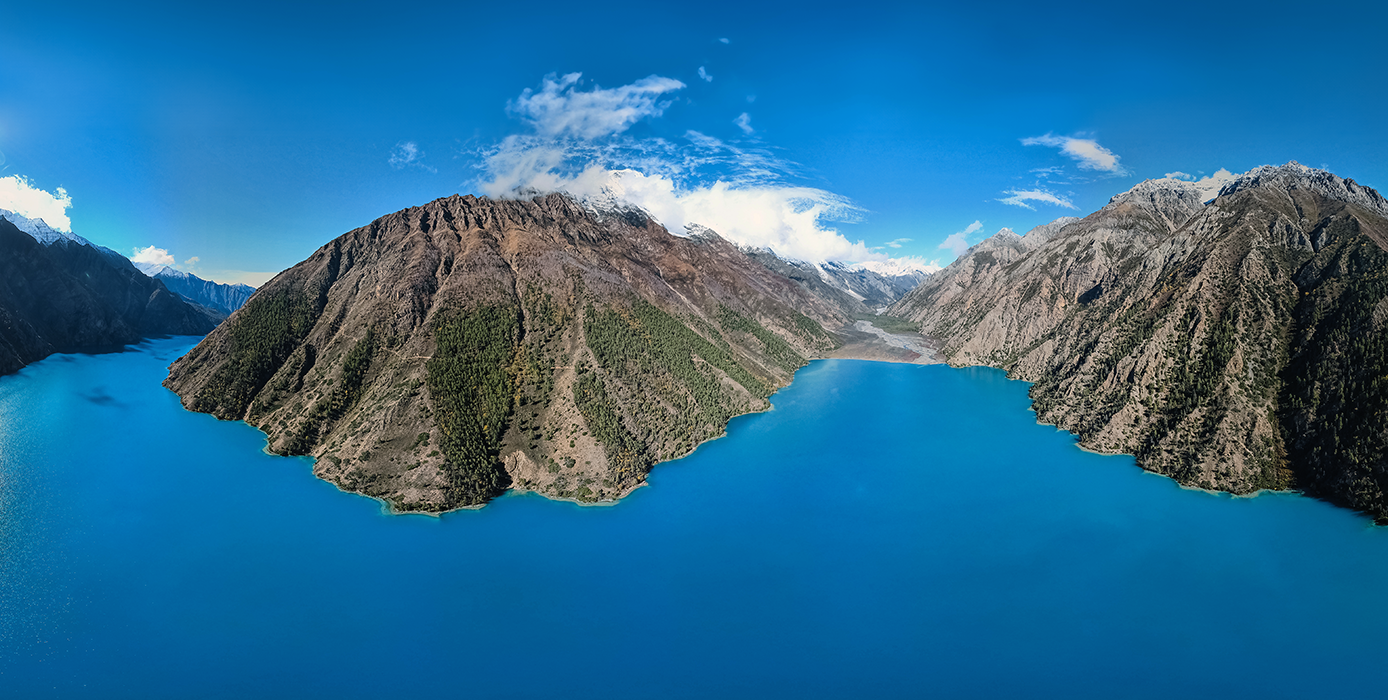
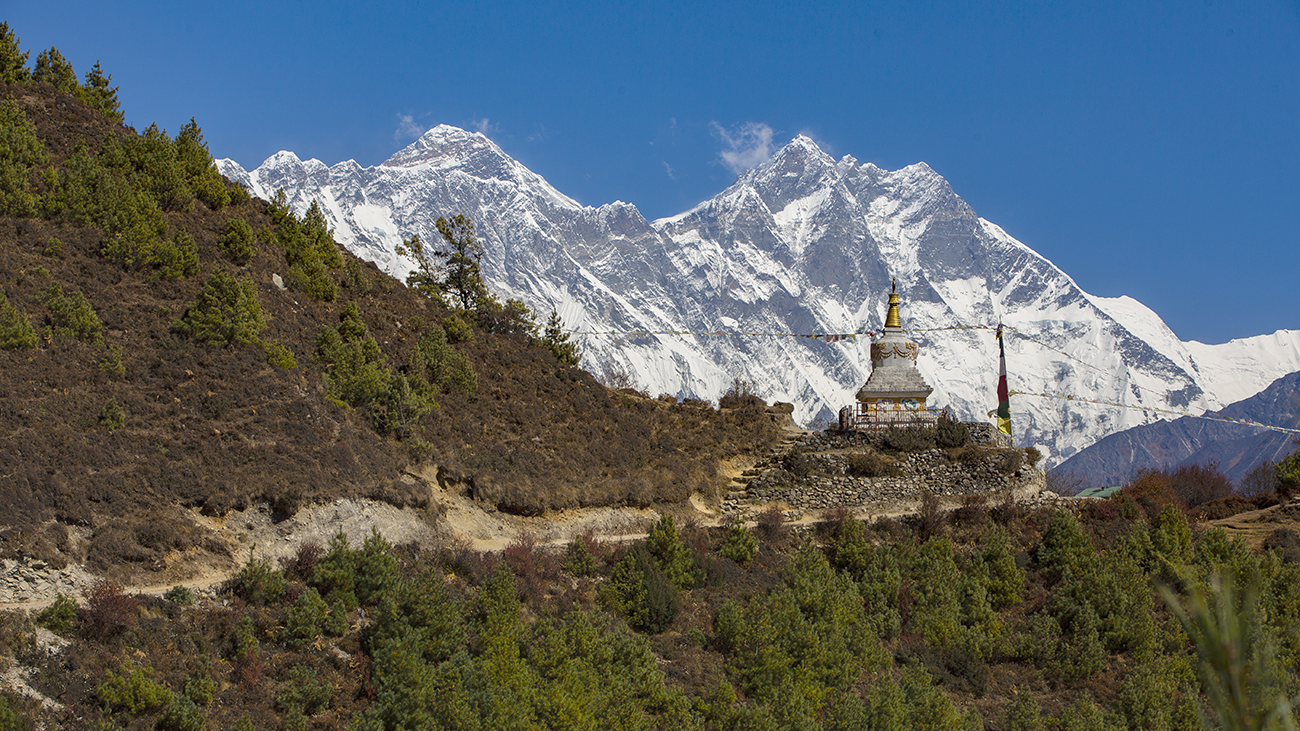
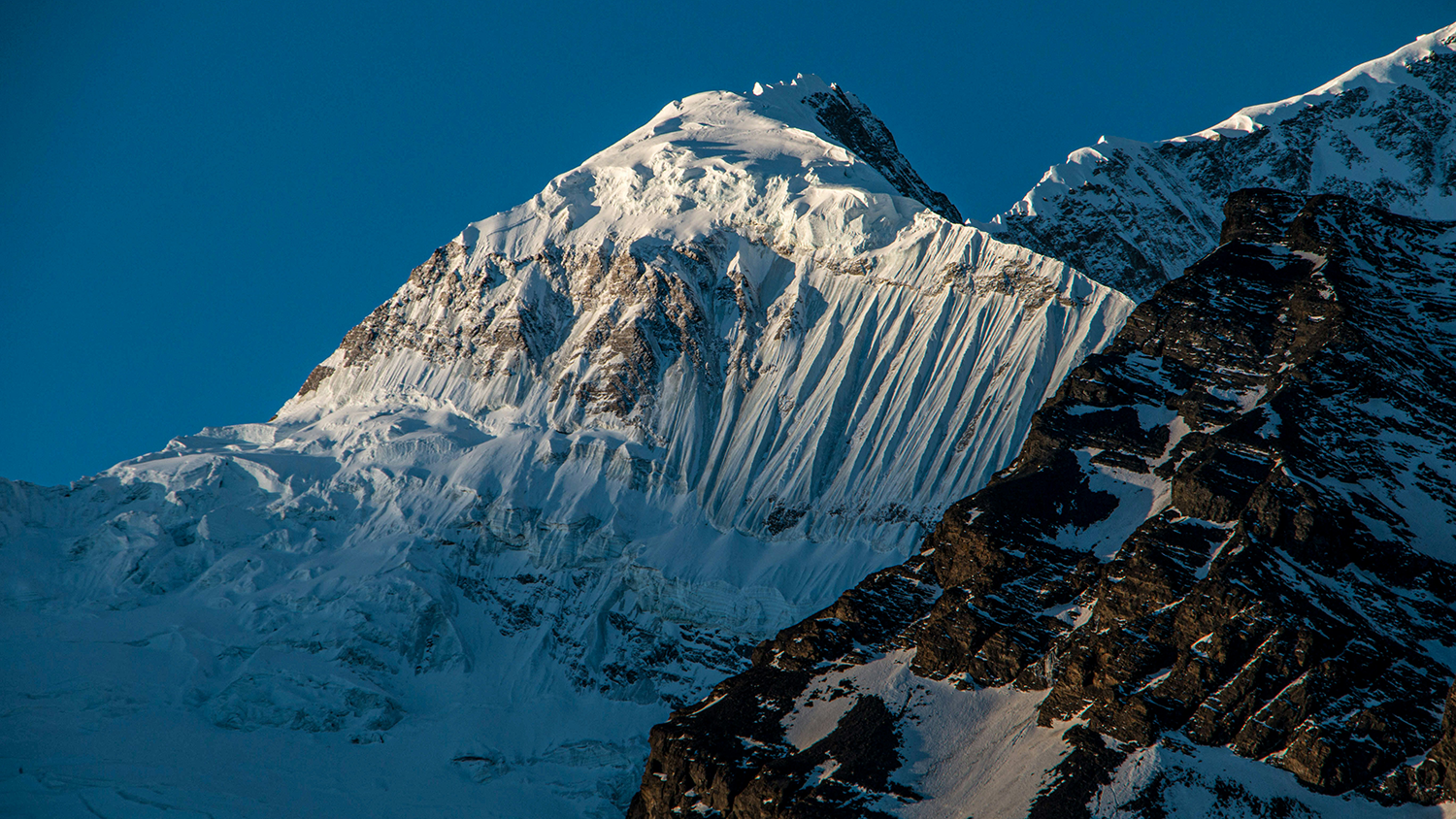
Tibet, often called the “Roof of the World,” is a destination where breathtaking landscapes, ancient civilizations, and deep spirituality come together. Located on the highest plateau on Earth, Tibet offers travelers an experience unlike anywhere else — from snow-covered Himalayan peaks and turquoise lakes to centuries-old monasteries and sacred pilgrimage routes.
Among all Tibetan journeys, the pilgrimage to Mount Kailash Kora, exploration of the mysterious Guge Kingdom, and discovery of the cultural heart of Lhasa represent one of the most extraordinary travel experiences in Asia.
For travelers from Nepal, Tibet is especially accessible due to the close geographical connection, the historic Himalayan trade routes, and the cultural links between Nepal and Tibet. A journey from Kathmandu to Tibet is not just a trip across borders; it is a passage into a world of faith, history, and natural wonder.
Mount Kailash Kora: The Sacred Journey Around the Holy Mountain
The Spiritual Significance of Mount Kailash
Mount Kailash (6,638 meters) is considered one of the most sacred mountains in the world. It holds deep religious importance for Hindus, Buddhists, Jains, and followers of the Bon tradition.
Hindus believe Mount Kailash is the home of Lord Shiva and Goddess Parvati.
Buddhists regard it as the sacred mountain associated with Buddha Demchok.
Jains consider it a place connected with their first Tirthankara.
The Bon tradition views Kailash as the spiritual center of the universe.
Unlike typical mountain expeditions, the goal of the Kailash journey is not climbing the peak but completing the Kora (circumambulation) around the mountain as an act of devotion and purification.
The Kailash Kora Route
The traditional Kailash Kora covers approximately 52 kilometers and is usually completed in three days.
Day 1: Trek from Darchen to Dirapuk Monastery
The journey begins from Darchen, the base camp of Mount Kailash.
The first day involves walking through the beautiful valley toward Dirapuk Monastery. Along the way, travelers get their first close views of the northern face of Kailash.
Distance: Approximately 12 km
Altitude: Around 5,000 meters
The evening view of Mount Kailash glowing under the Himalayan sky is one of the most unforgettable moments of the journey.
Day 2: Crossing Dolma La Pass — The Most Challenging Day
The second day is the spiritual and physical highlight of the Kora.
The trail climbs to Dolma La Pass (5,630 meters), the highest point of the pilgrimage. Pilgrims often leave prayer flags, offerings, and personal items at the pass.
Nearby lies Gauri Kund, a sacred lake associated with Hindu beliefs.
After crossing Dolma La, the trail descends toward Zuthulpuk Monastery.
Distance: Approximately 22 km
Altitude: 5,630 meters at the pass
Proper acclimatization is essential because of the extreme altitude.
Day 3: Completing the Kora
The final section is comparatively easier. The trail follows the valley back to Darchen, completing the sacred circle around Mount Kailash.
Many pilgrims believe completing one Kora removes negative karma, while completing multiple Koras brings deeper spiritual blessings.
Guge Kingdom: Exploring Tibet’s Lost Civilization
After the spiritual experience of Kailash, travelers can continue west Tibet exploration toward the ancient Guge Kingdom.
Located in the remote Ngari region, the Guge Kingdom flourished between the 10th and 17th centuries. It was once a powerful center of Tibetan Buddhism, art, and culture.
Today, the ruins of Tsaparang and Tholing Monastery reveal a fascinating forgotten world.
Tsaparang Ruins
The ancient capital of Guge sits dramatically on a hill surrounded by desert landscapes. The remains of palaces, temples, tunnels, and murals tell stories of a once-thriving civilization.
Tholing Monastery
Founded in the 11th century, Tholing Monastery became an important center for Buddhist learning and artistic development.
The ancient murals inside the monastery show a unique combination of Tibetan, Indian, and Central Asian artistic influences.
A visit to Guge feels like stepping into a hidden chapter of Himalayan history.
Lhasa: The Cultural Heart of Tibet
The journey to Tibet is incomplete without visiting Lhasa, the spiritual and cultural capital.
Situated at an altitude of approximately 3,650 meters, Lhasa offers a remarkable combination of history, religion, and Tibetan culture.
Potala Palace
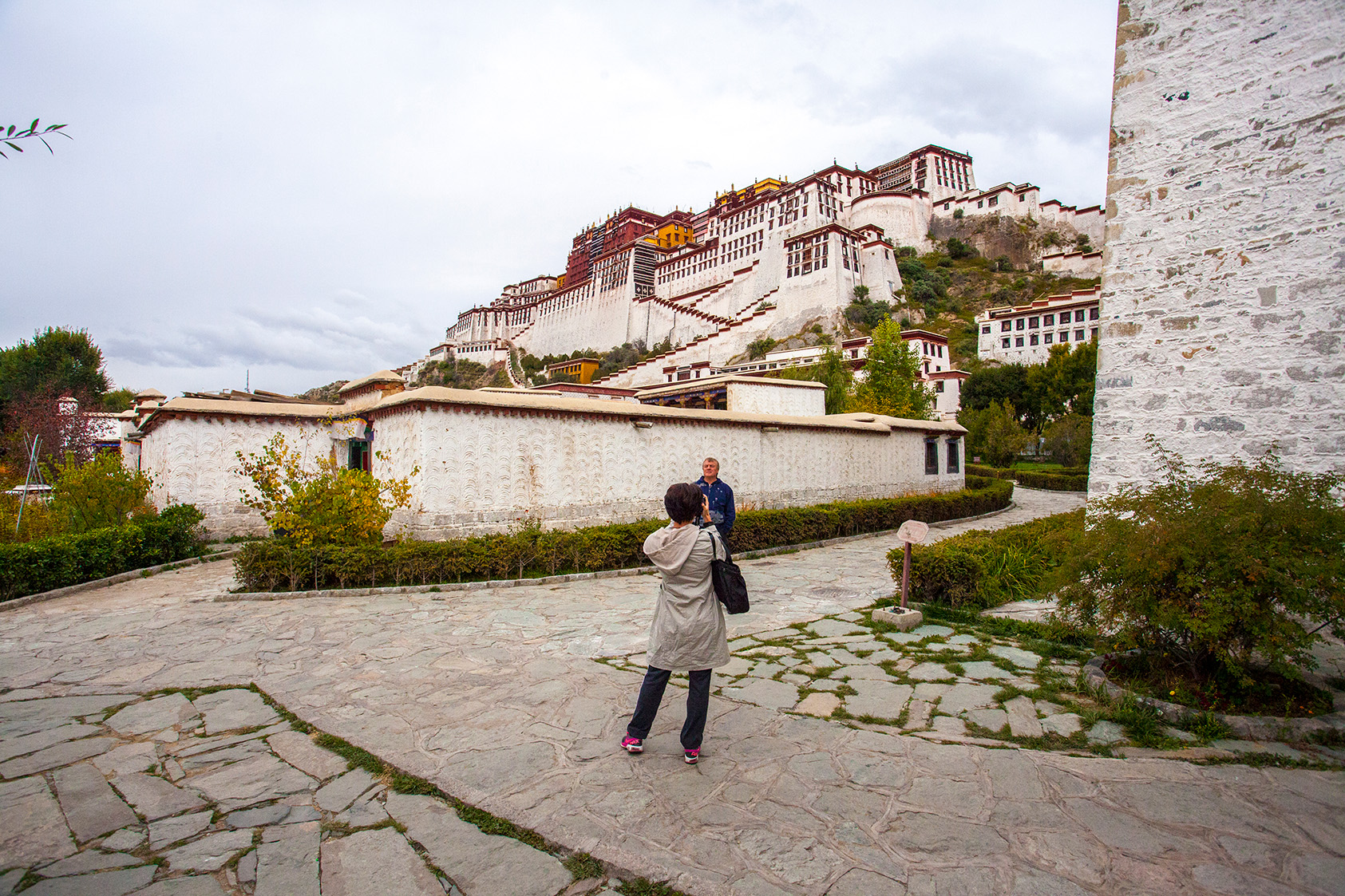
The iconic Potala Palace is one of Tibet’s most recognized landmarks. Once the winter residence of the Dalai Lamas, the palace represents Tibetan architecture, spirituality, and history.
Jokhang Temple
Located in the center of old Lhasa, Jokhang Temple is considered the most sacred temple in Tibetan Buddhism. Pilgrims from across Tibet travel thousands of kilometers to pray here.
Barkhor Street
Walking around Barkhor Street provides an opportunity to experience traditional Tibetan life, local markets, handicrafts, prayer wheels, and pilgrims performing religious rituals.
Other highlights of Lhasa include:
Sera Monastery — famous for Buddhist philosophical debates
Drepung Monastery — one of Tibet’s largest monasteries
Norbulingka Palace — former summer residence of the Dalai Lamas
Best Time to Travel to Tibet from Nepal
The best seasons for a Kailash and western Tibet journey are:
May to June
Pleasant weather
Fewer crowds
Beautiful mountain views
July to September
Main pilgrimage season
Warmer temperatures
Better road conditions
September to October
Clear skies
Excellent photography opportunities
Winter travel is possible but generally difficult due to extreme cold and possible road closures.
Tibet Visa and Permit Procedure from Nepal
Traveling to Tibet from Nepal requires special travel documents because Tibet is an autonomous region of China with controlled entry procedures.
Important: Tibet Travel Permit
Foreign travelers cannot independently travel through Tibet. They must join an organized tour through an authorized travel agency.
The required documents generally include:
Valid passport
Chinese visa (where applicable)
Tibet Travel Permit
Alien’s Travel Permit (for areas outside Lhasa)
Military permit or other special permits for restricted areas such as Mount Kailash (arranged by the agency)
Tibet Visa Procedure from Nepal
Step 1: Contact a Registered Tibet Tour Operator
Travelers from Nepal usually book a Tibet tour through a registered agency based in Nepal or Tibet.
The agency prepares:
Tibet entry permits
Transportation arrangements
Accommodation
Guide services
Border formalities
Step 2: Submit Passport Details
Normally required:
Passport copy
Passport-size photographs
Travel dates
Nationality details
Tour itinerary
The agency submits these documents for permit processing.
Step 3: Chinese Visa Requirements from Nepal
For many foreign travelers entering Tibet from Nepal, the Chinese visa process is handled through the Chinese Embassy or authorized channels in Kathmandu.
Important points:
Individual Tibet entry is not permitted.
The Tibet permit is separate from the Chinese visa.
Processing time and requirements can change depending on nationality and current regulations.
Travelers should confirm the latest rules before departure.
For travelers who already hold a Chinese visa obtained elsewhere, additional Tibet authorization is still required.
Entering Tibet from Nepal: Kathmandu to Kerung Route
The most common overland route is:
Kathmandu → Rasuwagadhi Border → Kerung → Saga → Manasarovar → Mount Kailash
Highlights include:
Himalayan mountain scenery
Tibetan plateau landscapes
Lake Manasarovar
Remote villages and monasteries
The road journey itself is a major part of the adventure.
Essential Travel Tips for Kailash Kora
Acclimatize Properly
Altitude is the biggest challenge. Spend enough time adjusting before reaching high-altitude areas.
Recommended:
Stay hydrated
Walk slowly
Avoid alcohol during acclimatization
Carry necessary altitude medication after consulting a medical professional
Pack Carefully
Essential items:
Warm layers
Windproof jacket
Good trekking shoes
Sunglasses
Sunscreen
Personal medicines
Water bottle
Small backpack
Trekking poles
Respect Local Culture
Tibet is a deeply spiritual region. Travelers should:
Dress respectfully in monasteries
Ask permission before photographing people
Avoid disturbing religious activities
Follow local guidelines
Suggested Tibet Itinerary from Nepal (Approx. 15–18 Days)
Day 1: Arrival in Kathmandu
Day 2: Kathmandu sightseeing and permit preparation
Day 3: Drive Kathmandu to Kerung
Day 4: Kerung acclimatization
Day 5–7: Drive through Saga to Lake Manasarovar
Day 8: Visit Manasarovar and reach Darchen
Day 9–11: Mount Kailash Kora
Day 12–13: Explore Guge Kingdom (Tsaparang and Tholing)
Day 14–16: Return toward Lhasa or continue Tibet exploration
Day 17–18: Lhasa sightseeing and departure
Final Thoughts: A Journey That Changes You
A journey to Tibet, especially the Mount Kailash Kora, is much more than a mountain trip. It is a combination of adventure, spirituality, history, and self-discovery.
Standing before Mount Kailash, walking beside thousands of years of pilgrimage paths, exploring the forgotten Guge Kingdom, and experiencing the sacred atmosphere of Lhasa creates memories that remain for a lifetime.
For travelers beginning from Nepal, Tibet offers one of the world’s most meaningful Himalayan adventures — a journey across borders, landscapes, and centuries of spiritual heritage.