Langtang & Gosaikunda Trek
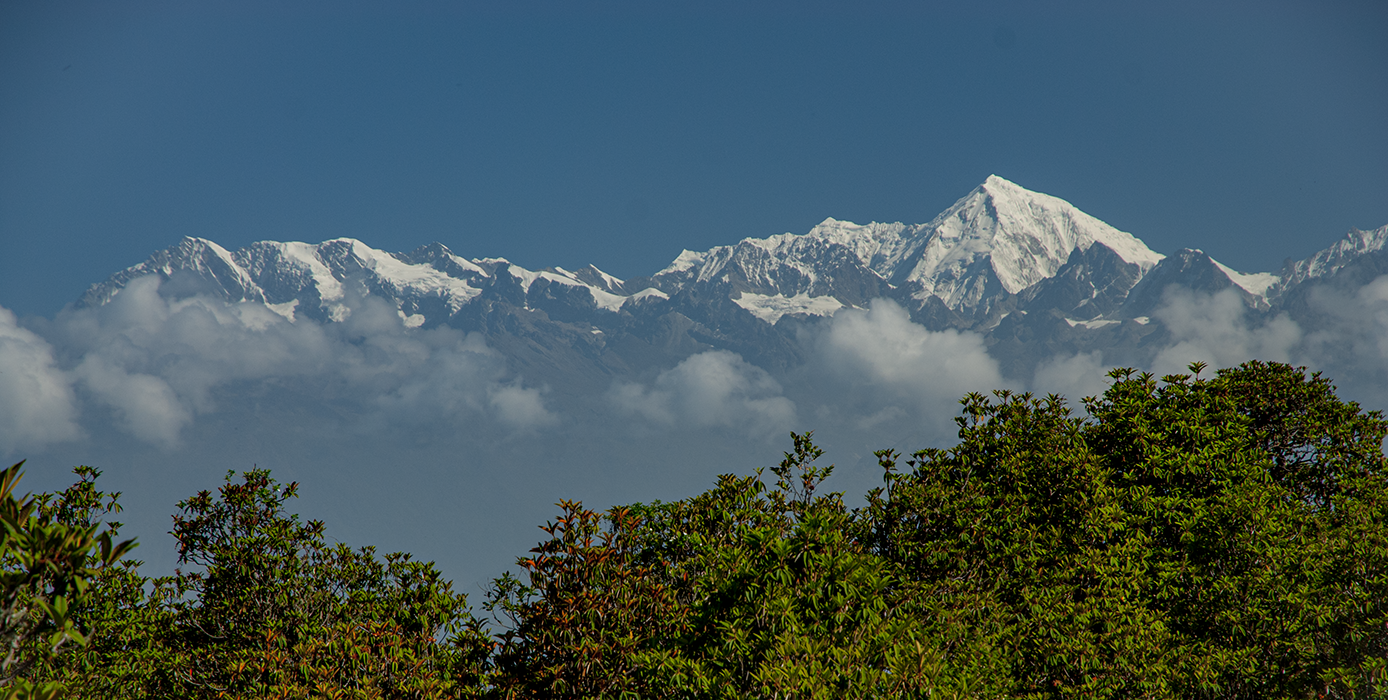
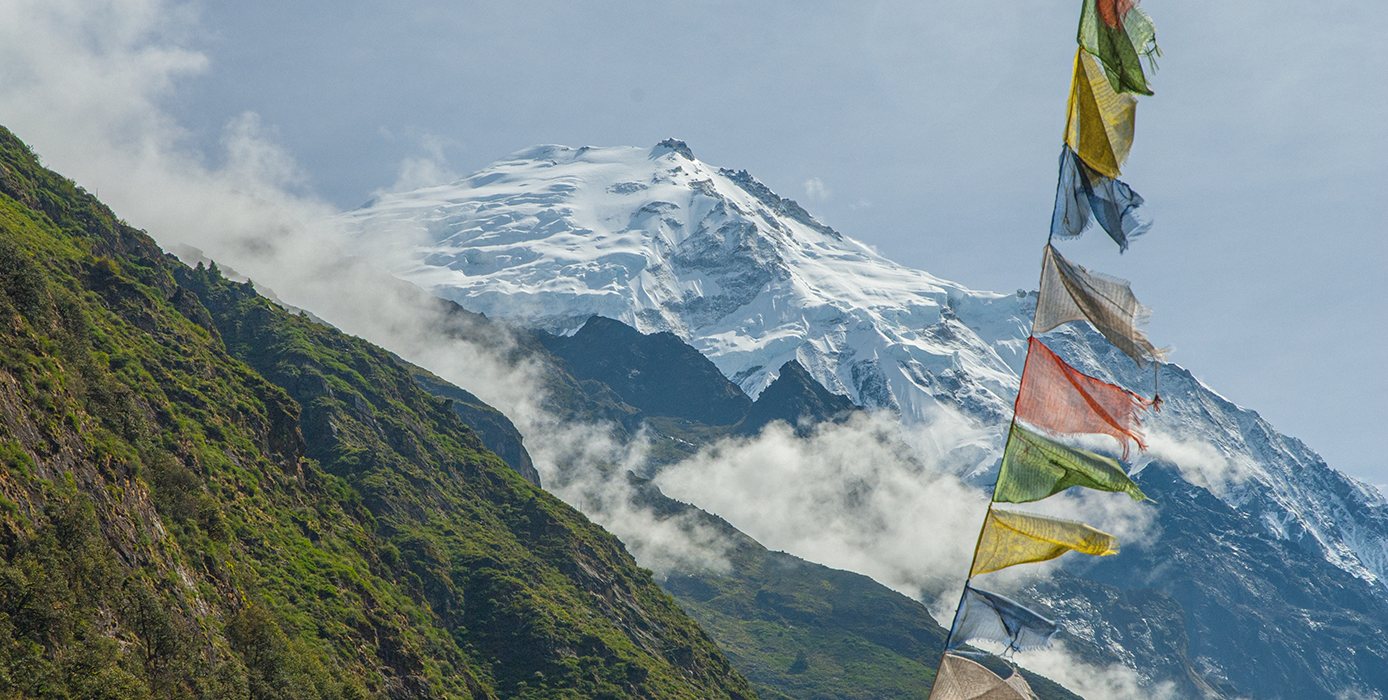
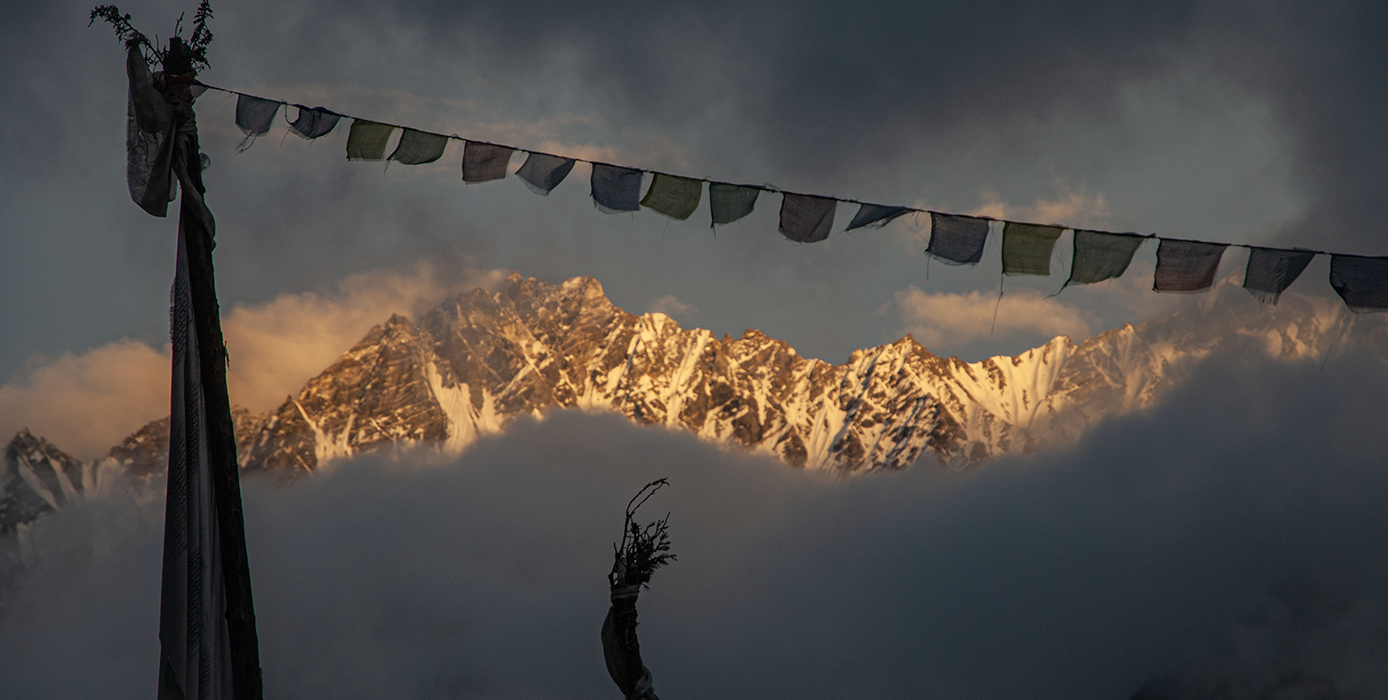
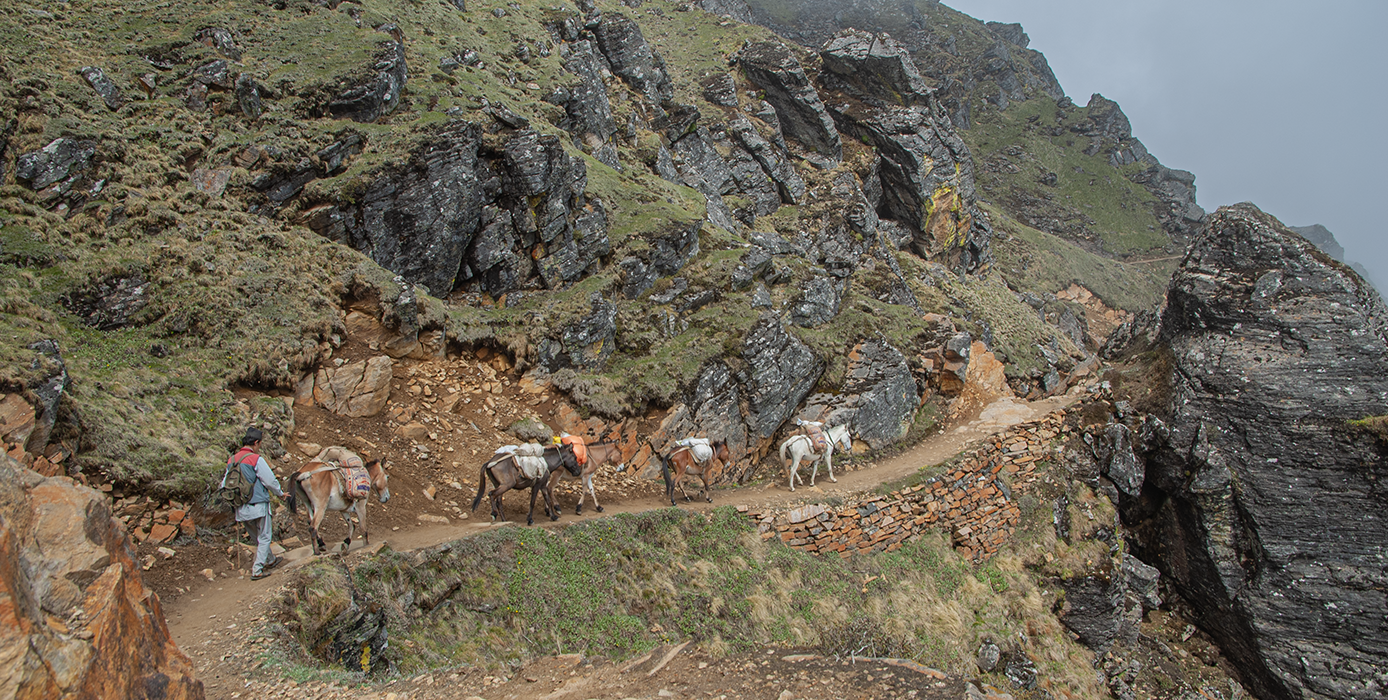
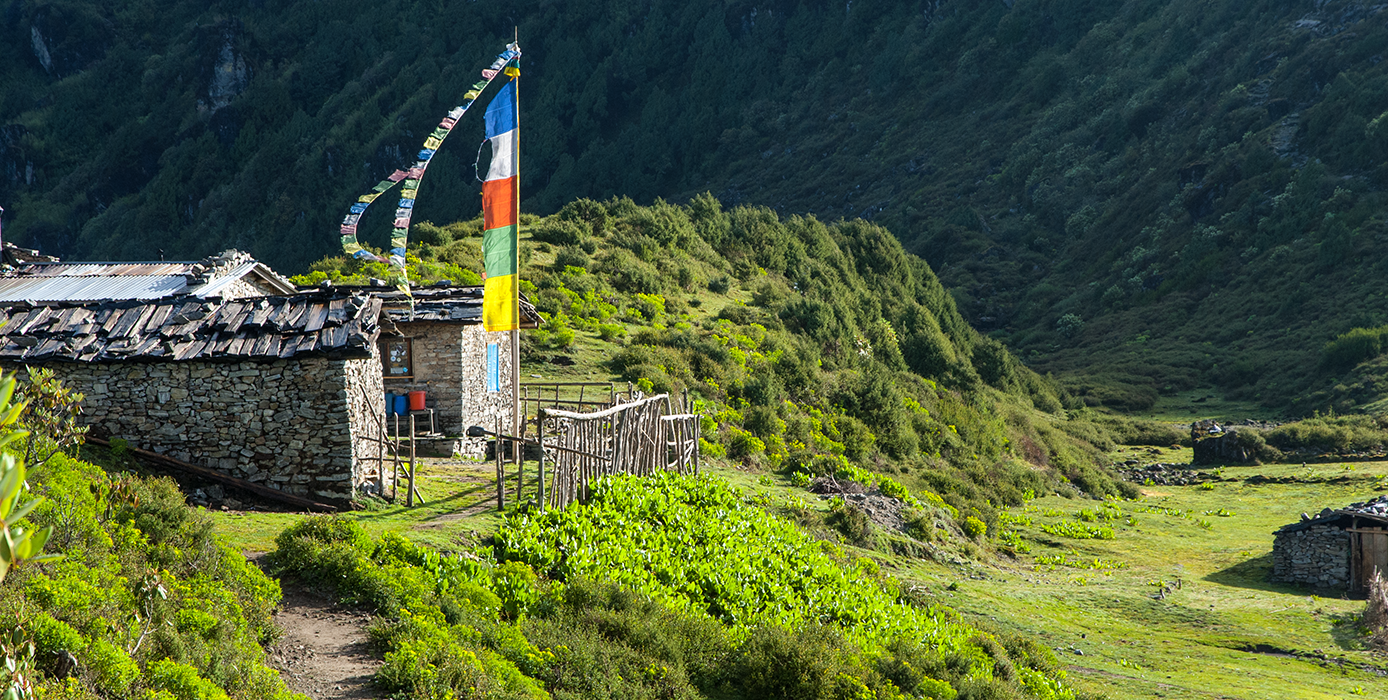
The Langtang and Gosaikunda Trek is one of Nepal’s most rewarding Himalayan journeys, combining the beautiful Langtang Valley with the sacred alpine lakes of Gosaikunda. The trail passes through rhododendron, bamboo, pine, and alpine landscapes, traditional Tamang settlements, Buddhist monasteries, yak pastures, and spectacular mountain scenery. After exploring Kyanjin Gompa and allowing time for acclimatization, the route continues toward Gosaikunda and crosses the challenging Laurebina La Pass before descending through Ghopte, Kutumsang, Chisapani, and Sundarijal.
TOUR ITINERARY
A day-by-day breakdown of your journey through Langtang & Gosaikunda Trek.
Day 1
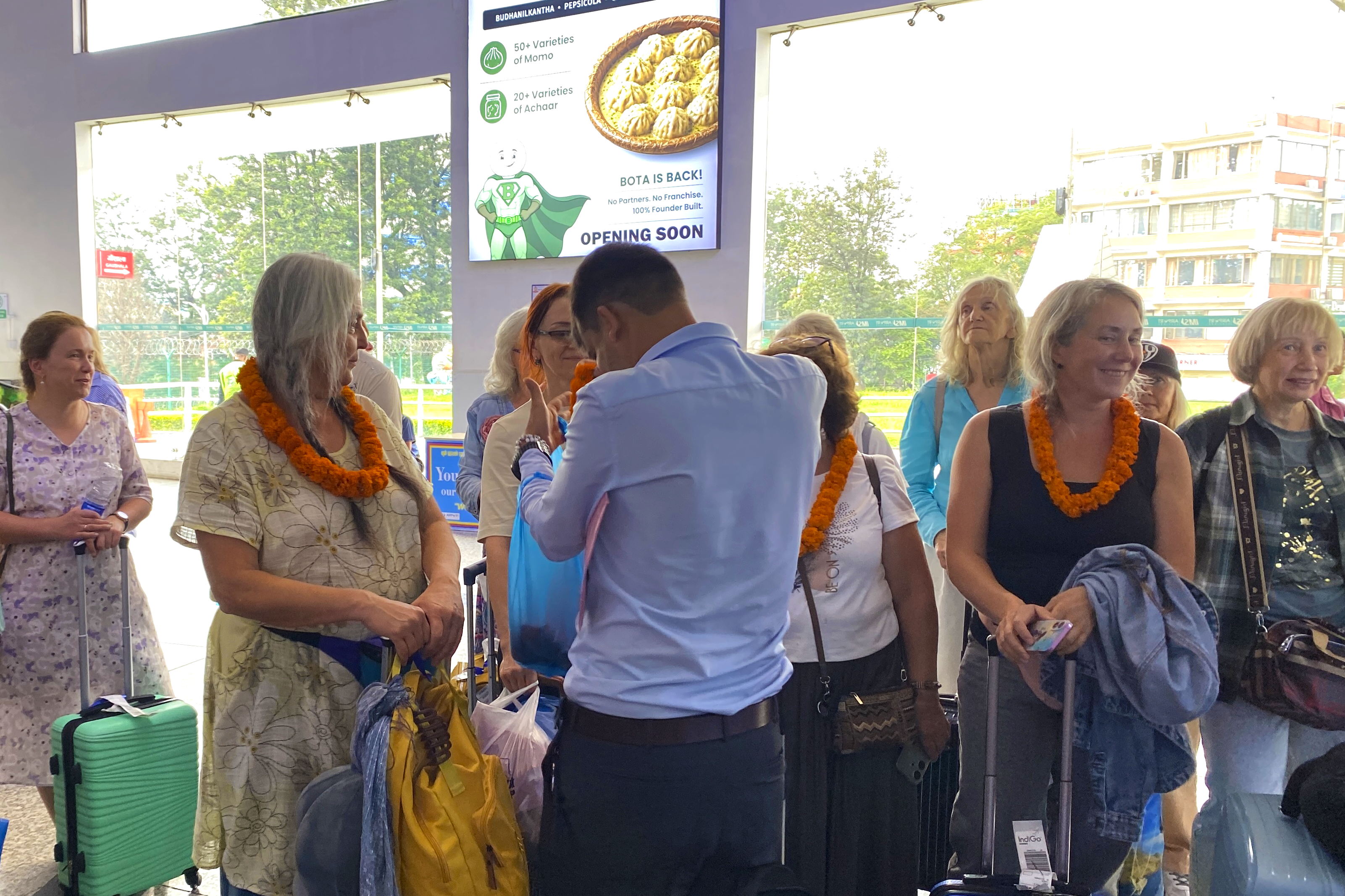
Arrival in Kathmandu — 1,400 M
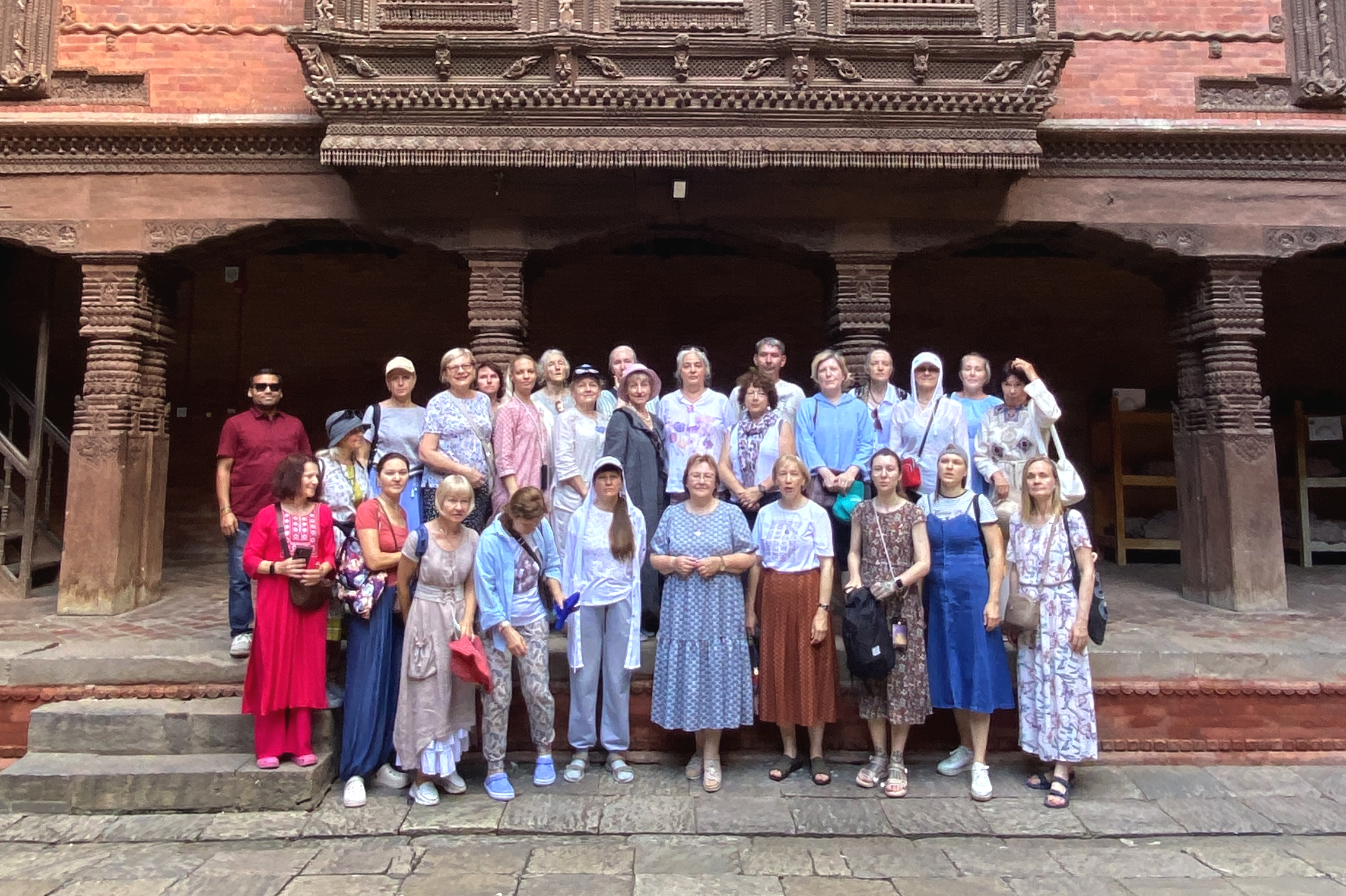
Day 2
kathmandu sightseeing & trek preparation — 1,400 m
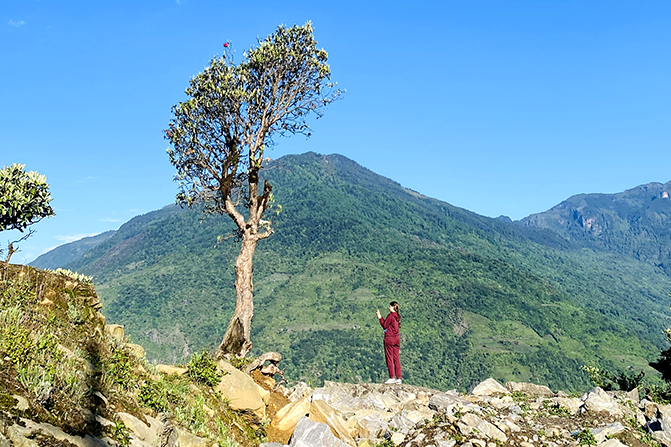
Day 3
Drive Syabrubesi—1,550 M (6–8 hours)
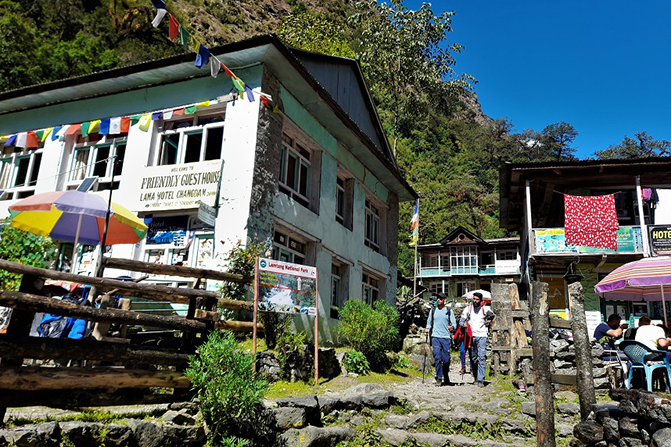
Day 4
Trek to Lama Hotel 2,380 M (6 hours)
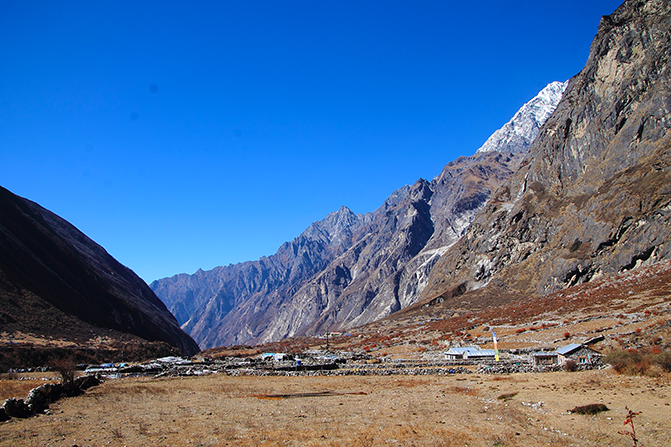
Day 5
Trek to Langtang village — 3,430 m (5–6 hours)
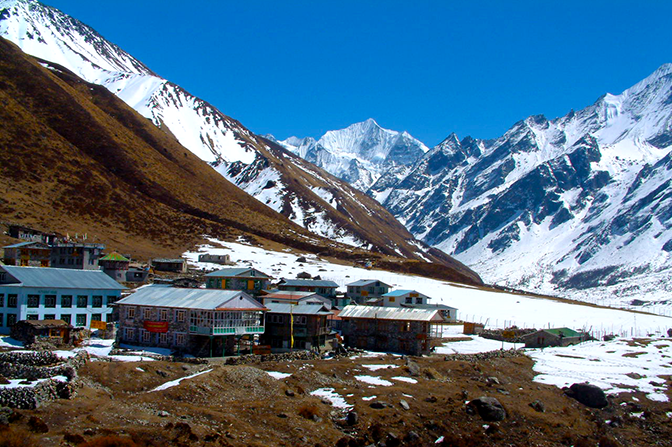
Day 6
Trek to Kyanjin Gompa—3,870 m (3–4 hours)
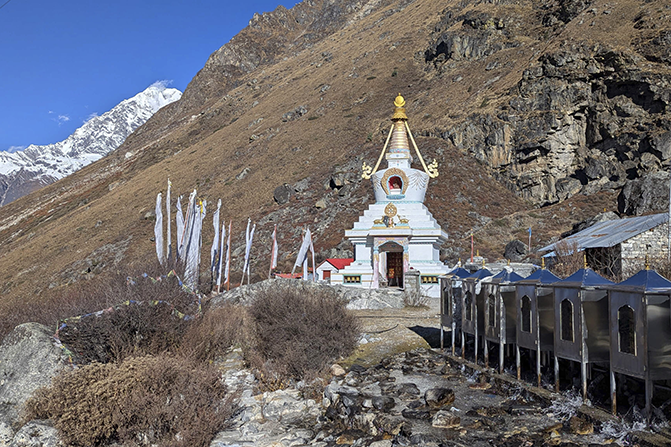
Day 7
Acclimatization Day at Kyanjin Gompa — 3,870 m
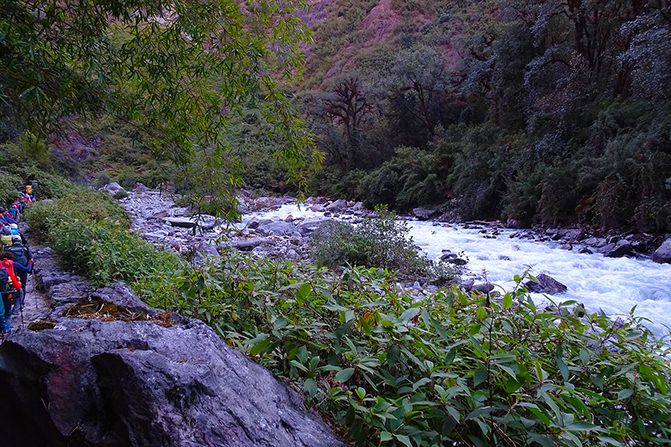
Day 8
Trek Back to Lama Hotel—2,380 m (5–6 hours)
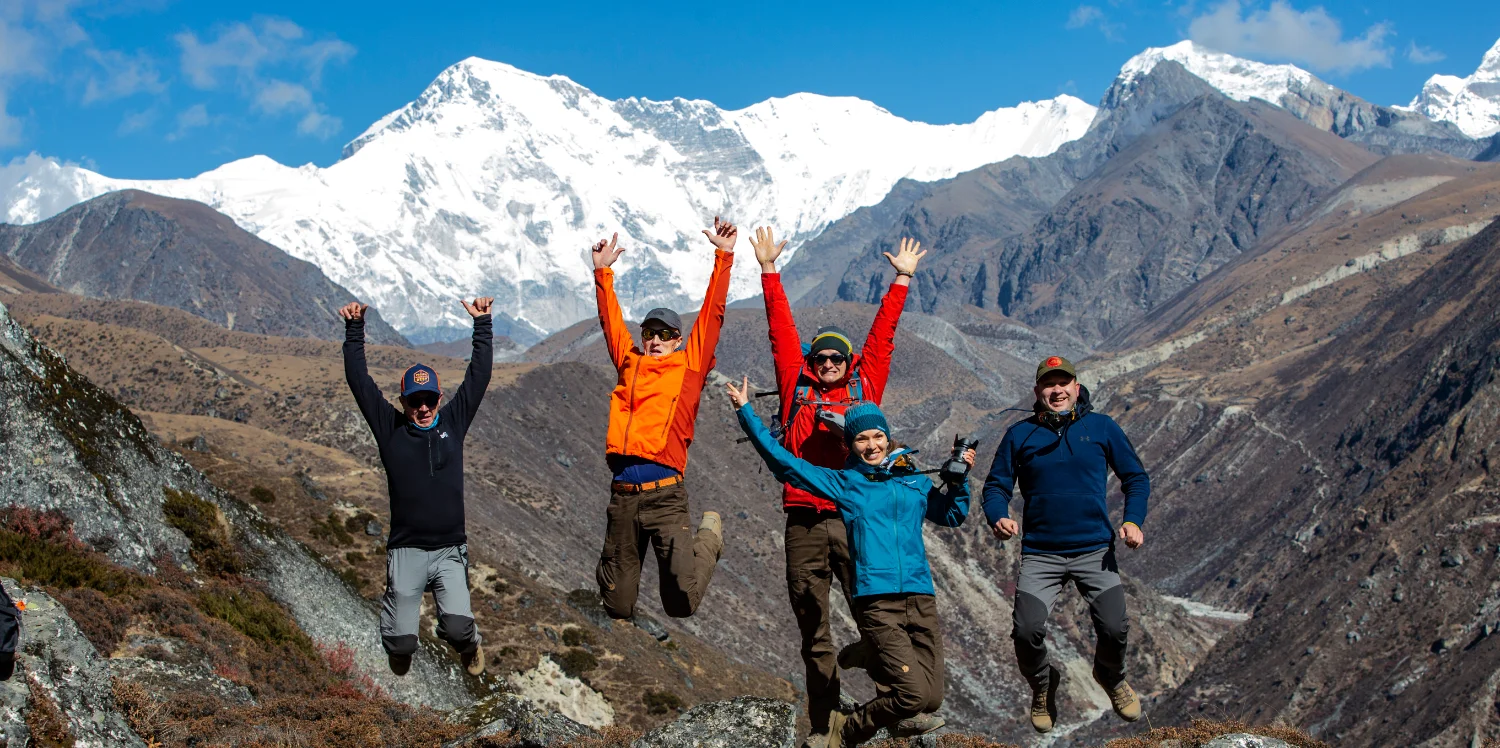
Day 9
Trek to Thulo Syabru—2,230 m (5–6 hours)
Day 10
Trek to Shin Gompa—3,330 m (5–6 hours)
Day 11
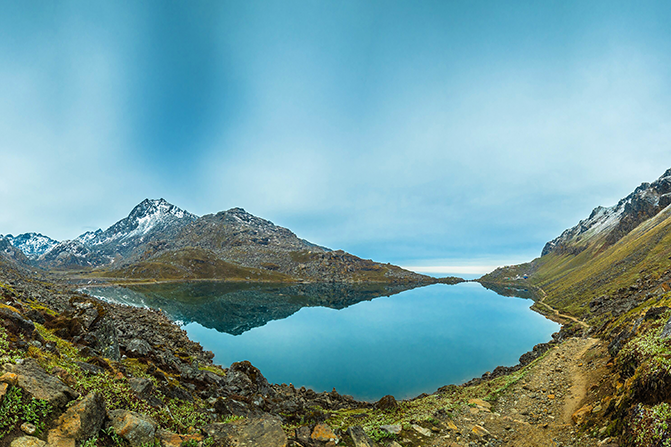
Trek to Gosaikunda—4,380 m (6–7 hours)
Day 12
Gosaikunda to Ghopte via Laurebina La—3,420 m (7–8 hours)
Day 13
Trek to Kutumsang—2,470 m (6–7 hours)
Day 14
Trek to Chisapani—2,165 m (6–7 hours)
Day 15
Trek to Sundarijal and Drive to Kathmandu—1,460 m (4–5 hours)
Day 16
Final Departure Frok Kathmandu
COST DETAILS
What is Included
Airport arrival and departure transfers as specified in the itinerary.
Accommodation in Kathmandu in a comfortable hotel on a twin-sharing basis, including breakfast.
Accommodation in trekking teahouses/lodges on a twin-sharing basis during the trek.
Licensed, experienced, English-speaking trekking guide.
Required trekking staff and porter service according to the agreed group arrangement.
Guide and porter accommodation, meals, salary, insurance, and necessary equipment.
Langtang National Park entry permit.
TIMS Card and applicable trekking documentation.
Ground transportation between Kathmandu, Syabrubesi, Sundarijal, and Kathmandu as specified.
Guide and staff transportation costs.
Welcome or farewell Nepali dinner with cultural program, where included in the confirmed package.
Basic first-aid kit carried by the trekking team.
Government taxes and applicable service charges.
Not Included
International airfare to and from Nepal.
Nepal tourist visa and visa-related expenses. Current tourist visa fees are USD 30 for 15 days, USD 50 for 30 days, and USD 125 for 90 days, subject to official changes.
Travel insurance, including emergency medical treatment and helicopter evacuation coverage.
Lunch and dinner in Kathmandu.
Meals and drinks during the trek unless specifically included in the confirmed package.
Bottled water, soft drinks, alcoholic beverages, specialty coffee, and other personal drinks.
Personal expenses, snacks, laundry, hot showers, internet, telephone calls, and charging fees where applicable.
Personal trekking equipment and clothing.
Optional porter service if not included in the confirmed package.
Tips for guides, porters, drivers, and other support staff.
Costs arising from flight delays, road closures, landslides, natural disasters, strikes, or itinerary changes beyond the agency’s control.
Emergency evacuation, medical treatment, rescue, or additional accommodation caused by illness or injury.
Any service or expense not specifically mentioned under “Price Includes.”
Explore the spectacular Langtang Valley inside Langtang National Park.
Experience Tamang culture, Buddhist monasteries, traditional villages, and mountain teahouses.
Visit Kyanjin Gompa with magnificent views of Langtang Lirung and surrounding Himalayan peaks.
Discover the sacred Gosaikunda Lakes and cross the high Laurebina La Pass at approximately 4,610 meters.
Finish through the scenic Helambu–Chisapani trail before returning to Kathmandu.
Book Your Trek
This trek is available year-round — complete your details below and our team will contact you to confirm your preferred travel dates.
HEALTH: No special vaccination is universally required for entering Nepal, but travelers should consult a qualified doctor or travel-health professional before departure, particularly regarding routine vaccinations and individual medical needs. Medical facilities become increasingly limited as the trail gains altitude. Bring personal medications in their original packaging and carry enough for the entire trip, plus a small reserve. If you use prescription glasses or contact lenses, carrying a spare pair of glasses is strongly recommended.
MOUNTAIN SICKNESS: Altitude sickness can affect anyone, regardless of age or fitness. Symptoms may include headache, nausea, dizziness, unusual fatigue, poor sleep, loss of appetite, and shortness of breath. The best prevention is gradual ascent, adequate hydration, sensible pacing, and avoiding alcohol or unnecessary exertion at altitude. Never continue ascending when significant symptoms are developing. If symptoms worsen, inform your guide immediately and descend when advised. The itinerary includes an acclimatization day at Kyanjin Gompa before the high-altitude Gosaikunda section.
WEATHER: Mountain weather can change rapidly. The lower Langtang Valley may be relatively warm during the day, while temperatures at Kyanjin Gompa and Gosaikunda can become very cold, especially at night. Snow, rain, strong winds, fog, and sudden temperature changes are possible. The best trekking periods are generally spring and autumn. Nepal Tourism Board identifies March–May and October–November as the best periods for Langtang, while June–September is the monsoon season and December–February can bring significant snow at higher elevations.
PACKING: Pack for changing temperatures and several different environments. Essential items include moisture-wicking base layers, warm fleece or down jacket, waterproof outer shell, trekking trousers, thermal underwear, warm hat, gloves, sun hat, sunglasses with UV protection, sunscreen, sturdy waterproof trekking boots, comfortable camp footwear, sleeping bag suitable for cold conditions, water bottles or hydration system, headlamp, personal medication, toiletries, and basic first-aid supplies.
Avoid overpacking. Teahouse accommodation is available throughout the established route, but facilities become increasingly basic at higher elevations. A power bank is useful because charging facilities may be limited or require additional payment.
THINGS TO CARRY: Your main duffel bag carried by a porter should normally remain within the weight limit agreed with your trekking agency, while your daypack should contain only essential items. Carry water, rain protection, warm layers, sunscreen, sunglasses, snacks, personal medication, documents, phone/camera, power bank, tissues, and other necessities needed during the day.
PERMITS AND DOCUMENTS: The Langtang and Gosaikunda routes require appropriate trekking documentation. Nepal Tourism Board currently lists both Langtang Trek and Langtang Gosaikund Trek among routes requiring a licensed guide and agency-issued TIMS Card.
A Langtang National Park entry permit is also required. The current Nepal Tourism Board fee for foreign visitors is NPR 3,000 per person, while the listed SAARC rate is NPR 1,500. Fees can change, so the applicable amount should be reconfirmed before departure.
Carry your passport, travel-insurance details, emergency contacts, permit information, and copies of important documents.
EMERGENCY AND YOUR SUPPORT TEAM: Your trekking guide should be trained in basic first aid, altitude awareness, and emergency procedures. The trekking team should carry a basic first-aid kit and communication facilities appropriate for the route. Every trekker should have comprehensive travel insurance that specifically covers trekking at the maximum altitude of the itinerary and emergency helicopter evacuation where medically necessary.
If a serious medical problem occurs, your guide and agency will coordinate appropriate evacuation and medical assistance. Always provide your trekking agency with a copy of your insurance policy and emergency contact details before departure.
Trek FAQs
Yes, for reasonably fit beginners who prepare properly. The trek is physically demanding because it reaches approximately 4,610 meters and includes several long walking days. Prior hiking experience is helpful but not essential.
It is generally considered a moderate-to-challenging high-altitude trek. The most demanding sections are the ascent to Gosaikunda and the crossing of Laurebina La. Fitness, acclimatization, weather, and trail conditions all affect difficulty.
Yes. This 16-day itinerary includes a dedicated acclimatization day at Kyanjin Gompa and avoids the particularly rushed sequencing in the original itinerary. However, the pass day remains demanding, so trekkers should maintain a steady pace and follow their guide’s advice.
Yes. This 16-day itinerary includes a dedicated acclimatization day at Kyanjin Gompa and avoids the particularly rushed sequencing in the original itinerary. However, the pass day remains demanding, so trekkers should maintain a steady pace and follow their guide’s advice.
The highest point is Laurebina La Pass at approximately 4,610 meters. Gosaikunda itself is approximately 4,380 meters, depending on the reference used for the lake and surrounding settlements.
March–May and October–November are generally the most favorable seasons. Autumn usually offers excellent visibility, while spring brings blooming rhododendrons. Monsoon conditions can make trails wet and roads difficult, while winter may bring snow around Gosaikunda and Laurebina La.
Yes. The Langtang and Helambu trekking routes are well served by teahouses and lodges, although facilities become simpler at higher elevations. Nepal Tourism Board confirms that lodges and teahouses are available throughout much of the Langtang and Helambu trekking areas.
Yes. Under the current Nepal Tourism Board rules, Langtang Trek and Langtang Gosaikund Trek are among the routes where trekkers must be accompanied by a licensed trekking guide and carry an agency-issued TIMS Card.
Tell your guide immediately. Do not hide symptoms or continue ascending against medical advice. Depending on severity, the appropriate response may be rest and monitoring, stopping further ascent, or descending to a lower elevation. Serious symptoms require urgent descent and medical assistance.
We're Associated With