Everest Base Camp via Phortse
Trek Overview
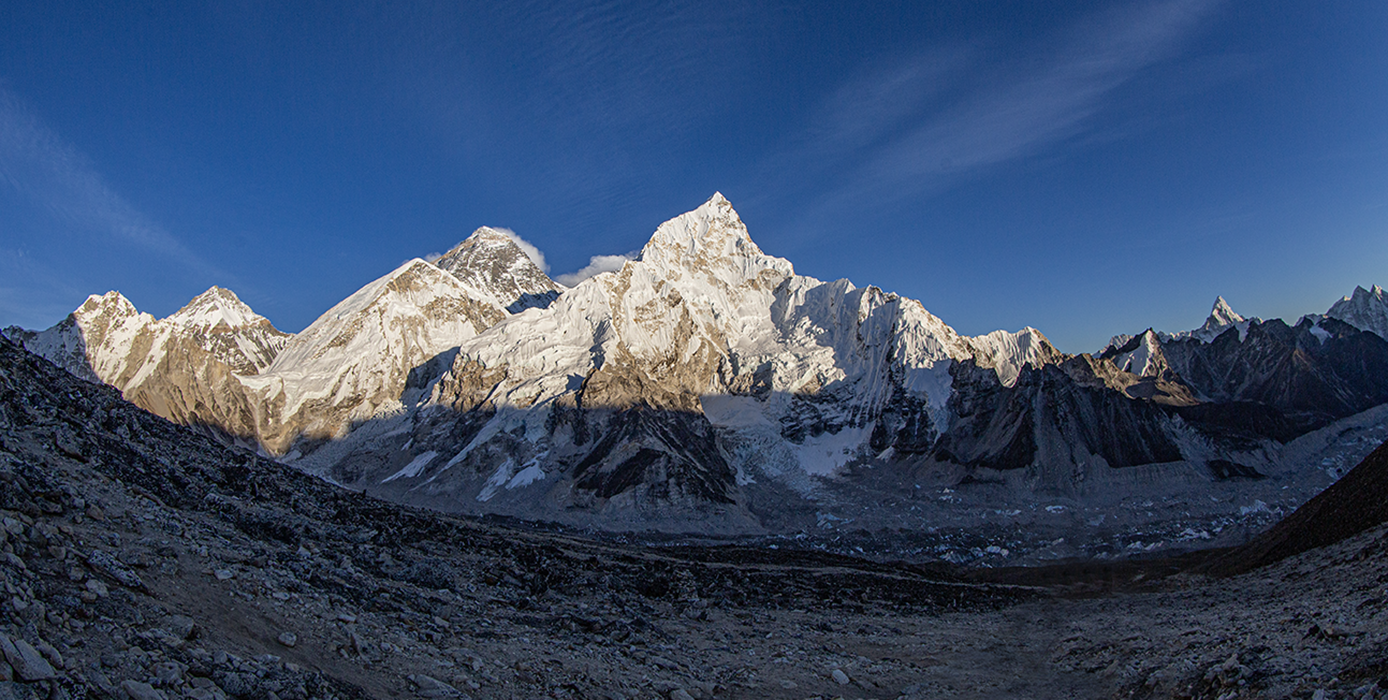
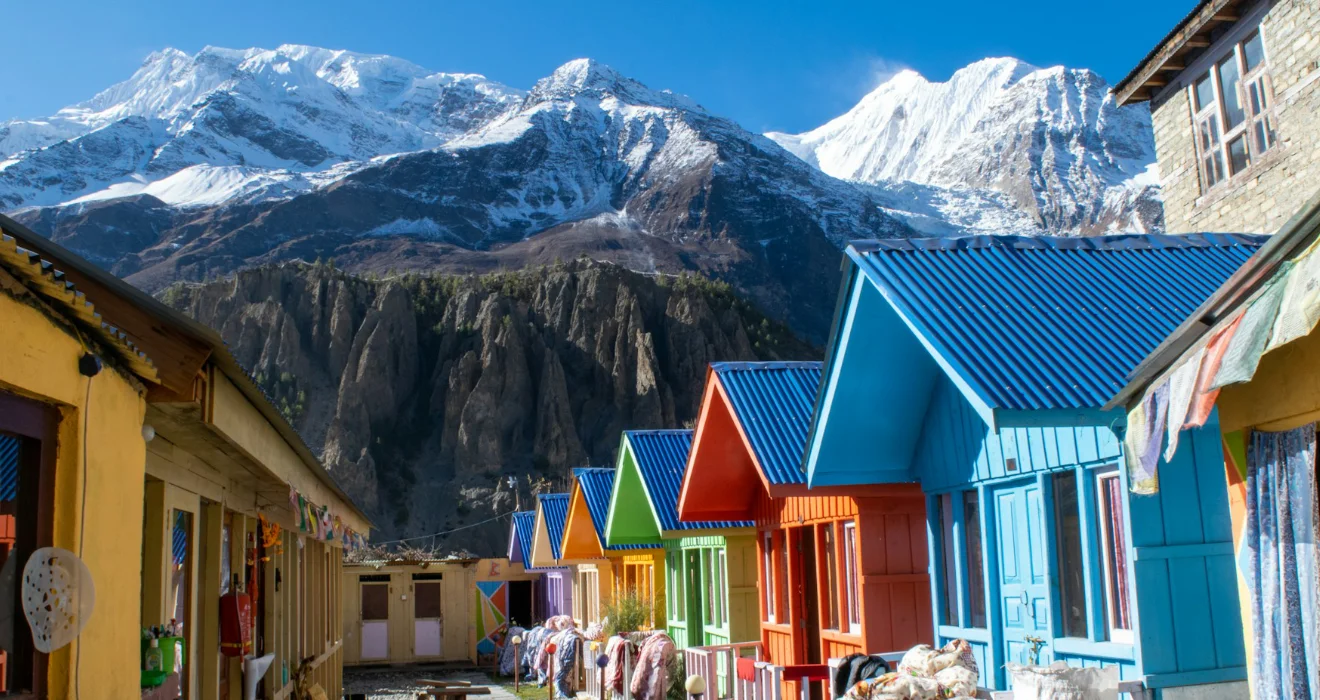
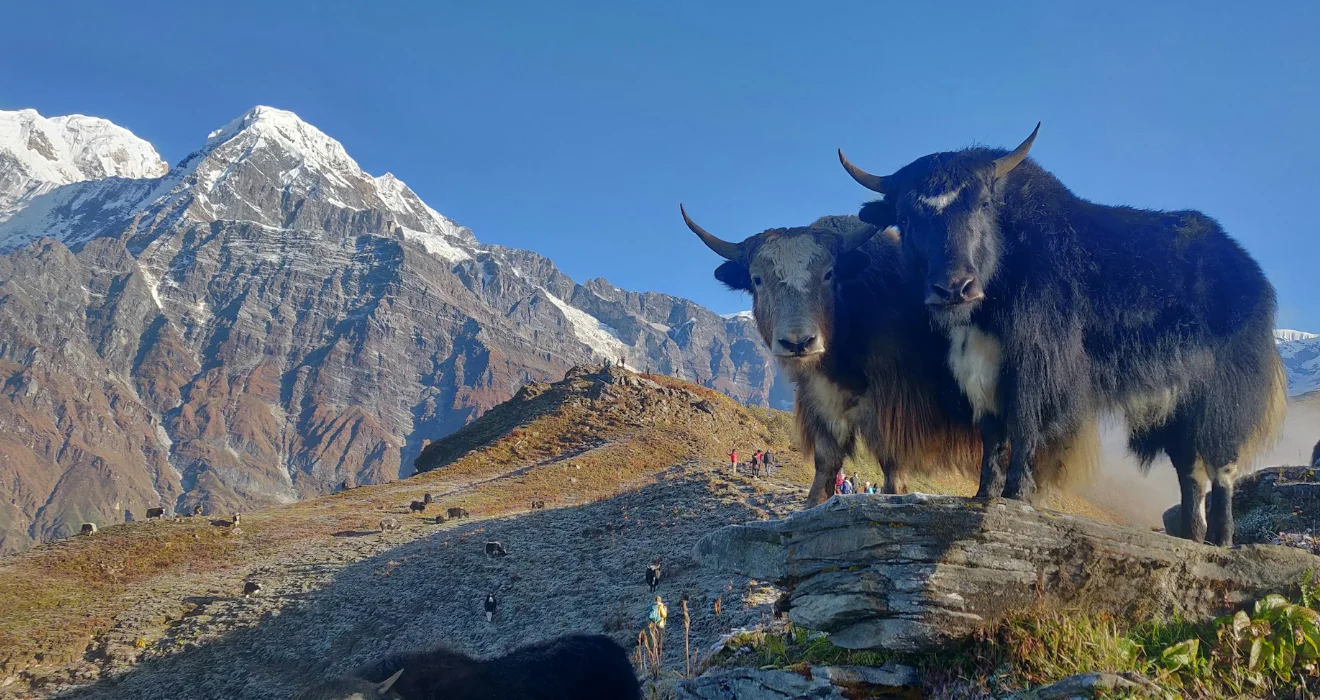
The Everest Base Camp Trek is one of the world's most iconic Himalayan adventures, offering an extraordinary journey into the heart of Nepal's Khumbu region. Beginning with a scenic flight to Lukla, the trail passes through traditional Sherpa settlements, beautiful rhododendron forests, suspension bridges and ancient Buddhist monasteries. Experience the vibrant atmosphere of Namche Bazaar, visit Tengboche Monastery and explore the spectacular landscapes of the Everest region. The ultimate rewards are reaching Everest Base Camp (5,364 m) and witnessing a magnificent Himalayan sunrise from Kala Patthar (5,545 m).
Trip Itinerary
A day-by-day breakdown of your journey through Everest Base Camp via Phortse.
Day 1
Arrival in Kathmandu
Elevation 1400 M. Free Day/ Trip Prepration.
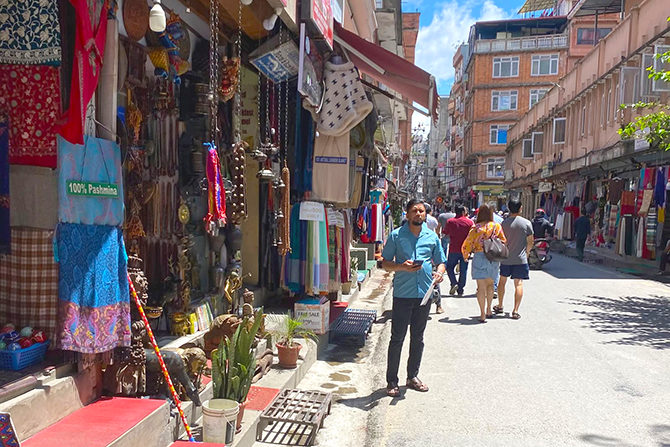
Upon your arrival at Tribhuvan International Airport, our representative will warmly welcome you and transfer you to your hotel. After check-in, you can relax and recover from your journey. Depending on your arrival time, you may explore the nearby streets of Thamel, a popular tourist district known for its shops, restaurants and trekking stores. In the evening, our team will provide a short briefing about the upcoming Everest Base Camp adventure.
Day 2
Fly to Lukla and Trek to Phakding
Walking: Approximately 3–4 hours. | Overnight: Teahouse in Phakding.
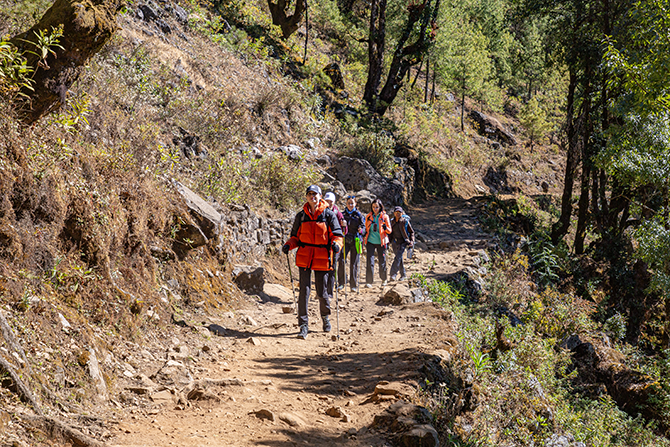
After an early breakfast, transfer to the airport for your scenic flight to Lukla, either from Kathmandu or Ramechhap, depending on the season and flight arrangements. Upon landing, meet your trekking crew and begin your journey towards Phakding. The trail descends gradually through beautiful mountain settlements, passing Chheplung, Thado Koshi and Ghat. Enjoy your first views of the Himalayan landscape before reaching Phakding.
Day 3
Trek to Namche Bazaar
Walking: Approximately 3–4 hours. | Overnight: Teahouse.
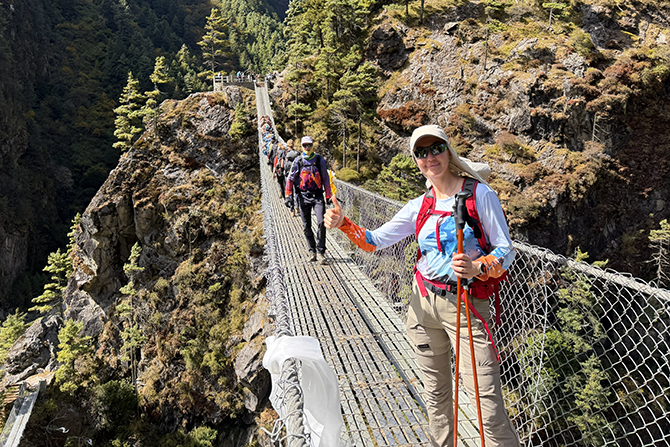
After breakfast, continue along the Dudh Koshi River, crossing several impressive suspension bridges decorated with colourful prayer flags. Pass through Monjo and enter Sagarmatha National Park after completing the necessary permit formalities. The trail gradually climbs through pine and rhododendron forests towards Namche Bazaar. The final ascent is challenging but rewarding, offering occasional glimpses of Mount Everest on clear days.
Day 4
Trek to Namche Bazaar
Walking: Approximately 6–7 hours. | Overnight: Teahouse in Namche Bazaar
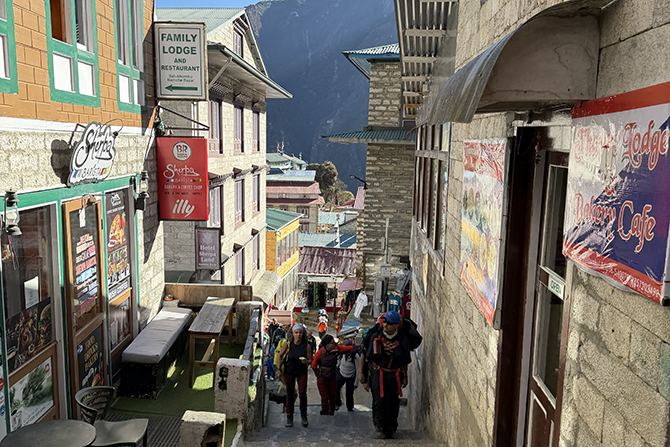
After breakfast, continue along the Dudh Koshi River, crossing several impressive suspension bridges decorated with colourful prayer flags. Pass through Monjo and enter Sagarmatha National Park after completing the necessary permit formalities. The trail gradually climbs through pine and rhododendron forests towards Namche Bazaar. The final ascent is challenging but rewarding, offering occasional glimpses of Mount Everest on clear days.
COST DETAILS
What is Included
Airport pick-up and drop-off by private vehicle.
Three nights' accommodation in a 4-star hotel in Kathmandu on a twin-sharing basis, including breakfast.
Domestic flights between Kathmandu/Ramechhap and Lukla, including return airfare.
Airport transfers between Kathmandu and Ramechhap when flights operate from Ramechhap.
Accommodation in comfortable mountain teahouses during the trek on a twin-sharing basis.
Three meals a day (breakfast, lunch and dinner) during the trekking period.
One experienced, English-speaking, government-licensed trekking guide.
Necessary porters (one porter for every two trekkers, subject to the agreed luggage allowance).
Trekking guide and porter salaries, insurance, meals, accommodation and transportation.
Sagarmatha National Park entry permit.
Khumbu Pasang Lhamu Rural Municipality entry permit.
Required local trekking arrangements and applicable government taxes.
Basic medical kit carried by the trekking guide.
Company duffel bag and trekking map, if provided by the company.
Farewell dinner in Kathmandu at a traditional Nepali restaurant, if included in the confirmed package.
Not Included
International airfare to and from Nepal.
Nepal entry visa fees.
Travel insurance covering high-altitude trekking and emergency helicopter evacuation.
Personal trekking equipment, clothing and sleeping bags.
Personal expenses such as laundry, Wi-Fi, telephone calls, battery charging and hot showers.
Bottled drinks, alcoholic beverages, soft drinks and additional beverages.
Extra accommodation and meals in Kathmandu due to early arrival, late departure or unforeseen flight delays.
Additional expenses arising from weather-related flight cancellations, itinerary changes or unforeseen circumstances.
Helicopter charter flights between Kathmandu and Lukla or other destinations, unless specifically included in the package price.
Emergency helicopter rescue and medical expenses.
Tips and gratuities for trekking guides, porters and drivers.
Personal expenses and services not specifically mentioned under Cost Includes.
Trip Highlights
Scenic Flight to Lukla: Enjoy an unforgettable mountain flight to Tenzing-Hillary Airport, one of the world's most spectacular mountain airstrips.
Namche Bazaar: Explore the famous Sherpa capital, surrounded by magnificent Himalayan peaks and traditional mountain culture.
Everest Viewpoint: Enjoy spectacular sunrise views of Mount Everest, Ama Dablam, Lhotse and other Himalayan giants.
Tengboche Monastery: Visit one of the most important Buddhist monasteries in the Khumbu region, with magnificent mountain scenery.
Everest Base Camp (5,364 m): Reach the legendary base camp from where mountaineering expeditions begin their journey towards the summit of Mount Everest.
Kala Patthar (5,545 m): Witness an unforgettable Himalayan sunrise and enjoy one of the finest panoramic views of Mount Everest.
Book Your Trek
This trek is available year-round — complete your details below and our team will contact you to confirm your preferred travel dates.
IMPORTANT
ALTITUDE SICKNESS: Never continue ascending when experiencing symptoms of altitude sickness. If symptoms worsen or become severe, immediate descent and medical assessment are essential.
Severe altitude sickness can develop into High Altitude Pulmonary Edema (HAPE), affecting the lungs, or High Altitude Cerebral Edema (HACE), affecting the brain. Warning signs include breathlessness at rest, persistent coughing, confusion, loss of coordination and unusual drowsiness. These conditions are medical emergencies requiring immediate descent and emergency medical assistance.
Medication such as acetazolamide (Diamox) may be recommended by a qualified medical professional for prevention or treatment in certain circumstances. Discuss its suitability, dosage and possible side effects with your doctor before departure. Medication must never be used as a substitute for proper acclimatization or descent.
PHYSICAL PREPARATION & TREKKING EXPERIENCE: You do not need previous mountaineering experience to complete the Everest Base Camp Trek. However, a reasonable level of physical fitness is essential.
We recommend beginning a fitness programme at least 8–12 weeks before departure. Include regular hiking, brisk walking, stair climbing, cycling and exercises that strengthen your legs and improve cardiovascular endurance.
If possible, practise walking with your trekking boots and a loaded daypack before arriving in Nepal. This will help your body become accustomed to the equipment and daily walking requirements.
Remember that maintaining a comfortable pace is more important than walking quickly. The objective is to complete the journey safely while enjoying the magnificent Himalayan surroundings.
WEATHER & TRAIL CONDITIONS: Weather conditions in the Everest region vary considerably according to altitude and season.
Lower settlements such as Lukla and Namche Bazaar generally experience milder temperatures, while higher locations including Lobuche, Gorak Shep and Everest Base Camp can become extremely cold, particularly at night and during early-morning hikes.
Spring and autumn are the most popular trekking seasons, offering generally favourable conditions. However, sudden weather changes, snowfall, strong winds and poor visibility can occur throughout the year.
Wear appropriate layered clothing and always carry waterproof outerwear. Your guide will advise you about daily weather conditions and suitable clothing for each stage of the trek.
TREKKING EQUIPMENT & CLOTHING: Proper trekking equipment is essential for comfort and safety during the Everest Base Camp Trek.
Recommended clothing and equipment include:
• Waterproof and well-broken-in trekking boots.
• Comfortable trekking socks and thermal base layers.
• Warm fleece jacket and insulated down jacket.
• Waterproof and windproof outer jacket and trousers.
• Warm gloves, thermal hat and neck warmer.
• Trekking trousers and comfortable hiking shirts.
• Sunglasses with good UV protection.
• Sun hat, sunscreen and lip balm.
• Warm sleeping bag suitable for temperatures around -10°C to -15°C.
• Trekking poles for steep ascents and descents.
• Headlamp with spare batteries.
• Reusable water bottles or hydration system.
• Personal toiletries and quick-drying towels.
A comfortable daypack is essential for carrying your daily belongings. Your main luggage can be transported by porters according to the company's agreed baggage allowance.
DAYPACK ESSENTIALS: During the trek, keep your essential personal belongings in a comfortable daypack that you carry yourself.
Your daypack should contain:
• Passport and necessary travel documents.
• Reusable water bottle or hydration bladder.
• Personal medication and basic first-aid supplies.
• Sunscreen and lip balm.
• Sunglasses and a warm hat.
• Rain jacket or waterproof layer.
• Extra warm clothing.
• Energy bars, chocolates or light snacks.
• Camera, mobile phone and power bank.
• Headlamp and personal valuables.
Keep your passport, permits, money and important personal documents with you rather than placing them in porter luggage.
WATER, FOOD & PERSONAL HYGIENE: Staying hydrated and maintaining good nutrition are particularly important at high altitudes.
Drink sufficient water throughout the day and avoid becoming dehydrated. Use properly treated, boiled or filtered drinking water. Water purification tablets or a suitable portable water filter are useful during the trek.
Eat regular meals and avoid skipping breakfast or lunch. A balanced diet containing carbohydrates, protein and other essential nutrients will help maintain your energy levels.
Maintain good personal hygiene by washing your hands regularly, especially before meals. Carry personal hand sanitiser, wet wipes and basic toiletries, as facilities become increasingly limited at higher elevations.
FLIGHT TO LUKLA & POSSIBLE DELAYS: Flights between Kathmandu and Lukla are highly dependent on weather conditions and visibility. During certain trekking seasons, regular flights may operate from Ramechhap Airport instead of Kathmandu Airport.
Flight delays and cancellations are not uncommon, particularly during periods of poor weather.
If regular flights are unavailable, a helicopter charter may be considered as an alternative, subject to availability and weather conditions. This arrangement involves additional expenses.
We strongly recommend keeping at least one or two additional days in your international travel schedule after completing the trek. This provides flexibility in case of unexpected flight delays or cancellations.
Our team will assist with flight arrangements and alternative transportation whenever necessary.
EMERGENCY SUPPORT & TRAVEL INSURANCE: Your safety is our highest priority throughout the Everest Base Camp Trek.
Our experienced trekking guides are familiar with the terrain, altitude-related risks and emergency procedures in the Everest region. They carry a basic first-aid kit and monitor trekkers' general health throughout the journey.
However, emergency medical facilities become increasingly limited at higher elevations.
All participants must have comprehensive travel insurance that specifically covers:
• High-altitude trekking up to at least 6,000 metres.
• Emergency helicopter evacuation.
• Medical treatment and hospital expenses.
• Accidental injury and emergency transportation.
• Trip interruption and unexpected travel expenses.
In the event of severe altitude sickness, injury or another medical emergency, evacuation arrangements will be coordinated as quickly as possible, subject to weather conditions and operational availability.
Please remember that helicopter rescue is not always immediately possible due to poor weather, visibility or other operational limitations.
IMPORTANT SAFETY REMINDER: Your guide's safety instructions must always be followed. Never continue ascending if you are experiencing symptoms of altitude sickness, and never hesitate to communicate any health concerns during the trek.
A successful Everest Base Camp adventure is not simply about reaching the destination; it is about enjoying the journey and returning home safely with unforgettable memories.
Trek FAQs
The Everest Base Camp Trek is considered a moderately challenging to strenuous high-altitude trek. It involves approximately 5–8 hours of walking each day over mountainous terrain, with some steep ascents and descents. The main challenge is the increasing altitude rather than technical climbing. Previous trekking experience and good physical fitness are highly recommended.
We're Associated With