A trekking guide's perspective on food, accommodation and responsible trekking in Nepal.
Having guided many trekkers through Nepal's Himalayan trails, I have come to understand that every journey brings something new to learn. Sometimes, the most memorable lessons do not come from reaching a mountain pass or standing beneath a great Himalayan peak, but from the everyday experiences along the trail.
During an Everest Base Camp trek earlier this month, I experienced a situation that reminded me how important it is for visitors to understand the culture of teahouse trekking in Nepal.
Understanding Teahouse Trekking
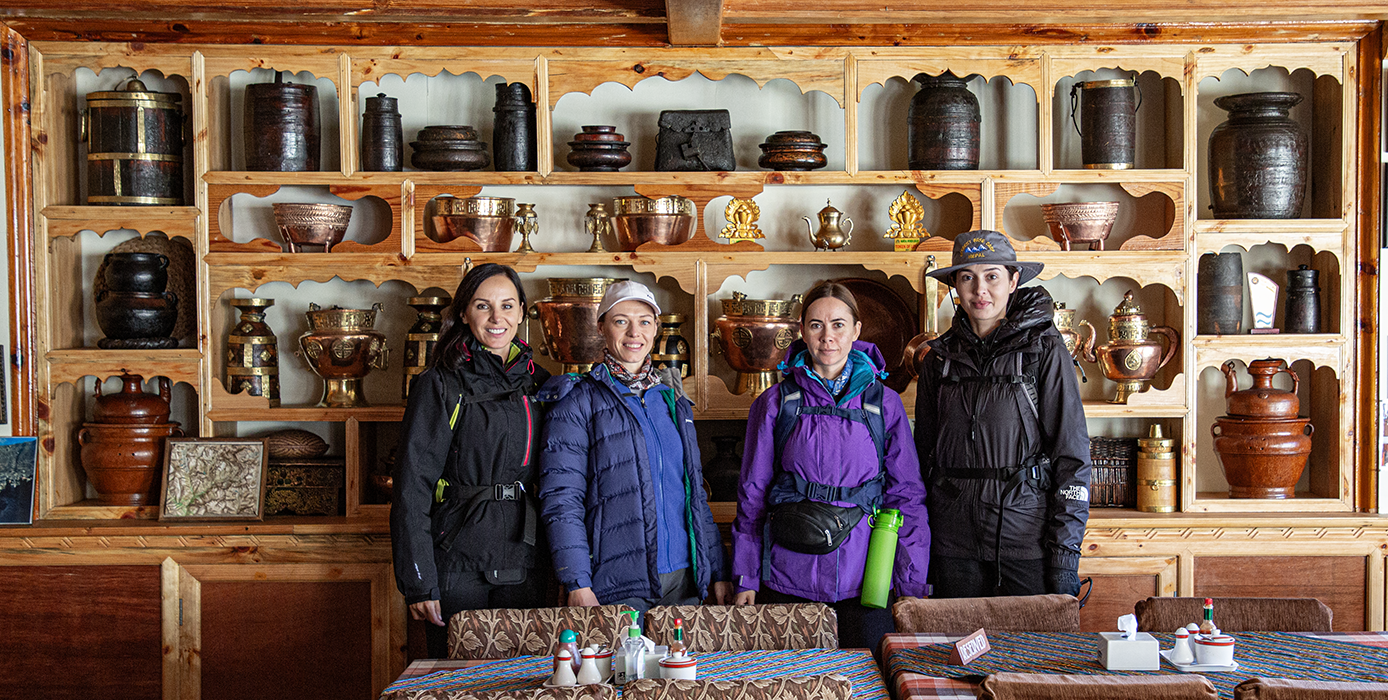
Our group consisted of four Russian trekkers: a young couple travelling with their 13-year-old child and another gentleman in his fifties. We also had two porters carrying the group's luggage.
Like most Everest Base Camp treks, ours was organised as a teahouse trek. This means staying overnight in locally operated mountain lodges and generally having meals at the same establishments.
However, one family had brought their own uncooked food, a portable gas stove and cooking equipment. They preferred to prepare their meals inside their guesthouse rooms, although they occasionally ate at the restaurants along the trail, particularly when their child wanted something different, such as burgers or momos.
There is nothing unusual about carrying personal food while trekking. Some visitors have dietary restrictions, particular preferences or simply wish to manage their expenses. Food and bottled water can become quite expensive in remote mountain settlements, where almost everything has to be transported from lower elevations.
Nevertheless, preparing meals inside guesthouse bedrooms is a different matter. Most lodges do not permit cooking in their rooms, particularly with portable gas stoves, for safety and other practical reasons.
I had explained these restrictions to the family before we left Kathmandu.
An Unpleasant Incident in Pheriche
On our return from Everest Base Camp, we stayed at a guesthouse in Pheriche.
Unfortunately, the lodge owner discovered that our guests had been cooking in their room. She became very upset and confronted us, holding me responsible for not informing the guests about the rules beforehand.
I explained that I had already discussed this matter with them in Kathmandu and specifically told them that cooking inside guesthouse rooms was not permitted.
Nevertheless, the situation became uncomfortable, and the lodge owner imposed a fine of NPR 5,000 on the guest responsible.
He did not pay the fine, so I eventually settled it myself through a mobile payment to resolve the disagreement and allow us to continue our journey without further difficulties.
It was certainly not an incident I had expected to encounter during an otherwise enjoyable trek.
Food, Nutrition and Health on the Trail
There is another aspect of this experience worth mentioning.
During our descent from Pheriche towards Tengboche and Namche Bazaar, the gentleman in the group began experiencing stomach problems. I cannot say what caused his illness, and it would be unfair to attribute it to the food he had been eating.
However, the experience reminded me of the importance of proper nutrition during a demanding mountain journey.
Trekking at high elevations requires considerable energy. A balanced diet, sufficient calories, adequate hydration and proper food hygiene are essential. Simply preparing something to eat does not necessarily mean that the body is receiving everything it needs during several days of strenuous walking.
Visitors should also remember that mountain lodges provide freshly prepared meals, and eating at these establishments is part of the traditional teahouse trekking experience.
A Little Understanding Goes a Long Way
I fully understand that travelling in the Everest region can be expensive. Food, bottled water and other everyday necessities often cost considerably more than they do in Kathmandu. There are practical reasons for this, as supplies must be carried along difficult mountain trails by porters, mules and yaks.
At the same time, teahouses are often small, family-run businesses. Their owners depend not only on accommodation but also on the meals and services they provide to visitors.
When we choose to stay in these establishments, it is worth respecting their house rules and supporting their businesses whenever possible.
This does not mean that trekkers must purchase everything from their lodges or abandon their personal dietary requirements. Rather, it means communicating openly, asking permission when necessary and understanding that a guesthouse is someone's home and livelihood.
A Final Word from Your Trekking Guide
The Everest Base Camp trek is not simply a journey through spectacular mountain scenery. It is also an opportunity to experience the hospitality, traditions and daily lives of people living in the Himalayas.
As visitors, we naturally want comfort, good food and a memorable experience. The people welcoming us along the trail deserve the same consideration and respect.
A little understanding can prevent unnecessary misunderstandings and make the journey more enjoyable for everyone.
Travel responsibly, respect local traditions and remember that the people you meet along the trail are an important part of your Himalayan adventure.